
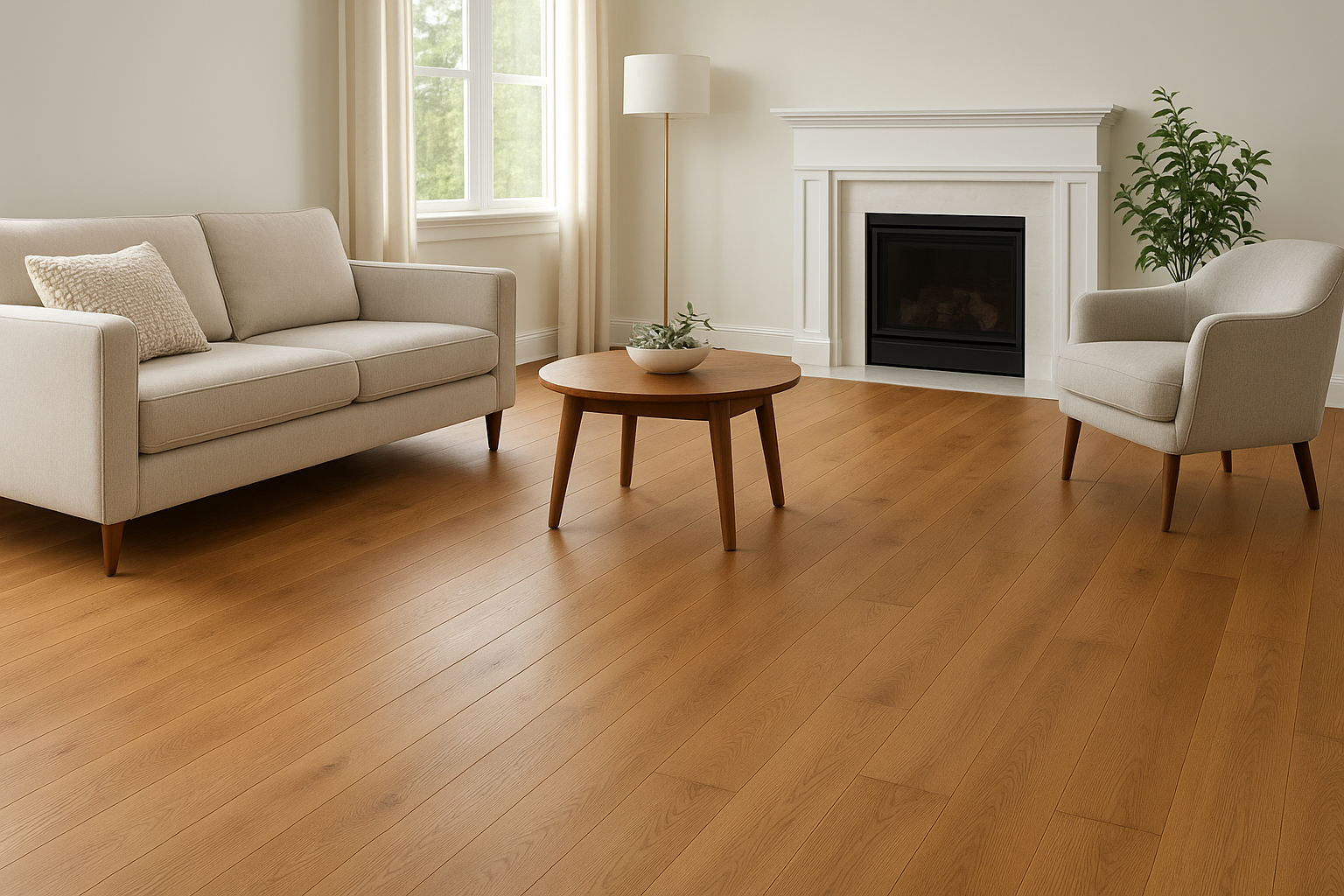
The new year always brings fresh perspectives and renewed energy for home improvement projects. As we step into 2027, there’s no better time to tackle that flooring renovation you’ve been dreaming about. Whether you’re looking to increase your home’s value or simply create a more comfortable living space, starting with your floors can completely transform your environment.
Why Start Your 2027 Renovation with Flooring?
Let’s be honest—your floors take a beating every single day. From muddy footprints to pet claws and furniture shuffling, they endure constant wear and tear. Starting your renovation journey with new floors makes practical sense because it sets the foundation for everything else. You won’t have to worry about protecting brand-new furniture or freshly painted walls while contractors work on the messiest part of your remodel.
Beyond practicality, updated flooring can increase your home’s resale value by up to 10%, making it one of the smartest investments you can make in 2027.
Your Pre-Renovation Checklist
Before you dive into choosing materials and colors, there’s some groundwork that needs attention. First, assess your current flooring situation honestly. Are there water damage issues? Do your subfloors need repair? Addressing these underlying problems now will save you headaches later.
Next, establish a realistic budget that includes a contingency fund of at least 15-20% for unexpected discoveries. Old homes especially tend to surprise us with hidden damage once you start pulling up old flooring.
Measure your spaces accurately—and then measure again. Nothing derails a project faster than ordering insufficient materials. Consider hiring a professional for measurements if you’re uncertain about calculating for irregular room shapes or multiple spaces.
Choosing the Right Flooring Material for Your Lifestyle
The flooring market in 2027 offers more options than ever before, which can feel overwhelming. The key is matching materials to how you actually live in your home.
For busy families with kids and pets, luxury vinyl plank (LVP) continues to dominate as the go-to choice. It’s waterproof, scratch-resistant, and remarkably realistic in mimicking hardwood or stone. Plus, installation is often straightforward enough for confident DIYers.
If you’re after timeless elegance and have the budget for it, engineered hardwood offers the warmth and beauty of real wood with better moisture resistance than solid hardwood. It works beautifully in main living areas where you want to make a statement.
For bathrooms and kitchens, porcelain tile remains the practical champion. Modern large-format tiles minimize grout lines and create a seamless, spa-like appearance that’s still trending in 2027.
Flooring Material Comparison
| Material | Durability | Water Resistance | Cost Range | Best For |
|---|---|---|---|---|
| Luxury Vinyl Plank | High | Excellent | $3-$8/sq ft | High-traffic areas, families with pets |
| Engineered Hardwood | Medium-High | Moderate | $6-$14/sq ft | Living rooms, bedrooms |
| Porcelain Tile | Very High | Excellent | $5-$15/sq ft | Bathrooms, kitchens, entryways |
| Carpet | Medium | Poor | $2-$10/sq ft | Bedrooms, cozy spaces |
| Bamboo | High | Moderate | $4-$9/sq ft | Eco-conscious homes, modern aesthetics |
Timeline Planning: When to Start Your Project
Timing matters more than you might think. Starting your flooring project in early 2027 gives you several advantages. Contractors typically have more availability in January through March, and you’ll avoid the summer rush when everyone suddenly remembers their renovation plans.
For a typical home renovation covering 1,000-1,500 square feet, expect the project to take 1-3 weeks depending on the material and whether you’re DIYing or hiring professionals. Factor in extra time if you’re removing old flooring or addressing subfloor issues.
The Hidden Steps Everyone Forgets
Here’s what the glossy home improvement shows don’t tell you: you’ll need somewhere to go while work happens. Living in renovation chaos sounds manageable until you’re trying to cook dinner in a kitchen with no floor. Plan temporary living arrangements or at least section off areas of your home.
Don’t forget about the baseboards and transitions. These finishing touches can make or break the entire look. Budget for new baseboards or plan time to carefully remove and reinstall existing ones if they’re worth keeping.
Acclimation time is non-negotiable for many flooring materials. Hardwood and laminate products often need 48-72 hours to adjust to your home’s temperature and humidity before installation. Rushing this step can lead to gaps or buckling down the road.
Sustainability Considerations for 2027
Environmental consciousness isn’t just a trend anymore—it’s how we’re building homes in 2027. Look for flooring with low VOC emissions and sustainable sourcing certifications. Bamboo regenerates incredibly quickly, making it an eco-friendly alternative to traditional hardwood. Reclaimed wood offers character and reduces demand for new lumber.
Many manufacturers now offer recycled content flooring options that perform just as well as virgin materials while reducing environmental impact. These choices feel good and often come with compelling stories you can share with guests.
Budgeting for Success
Let’s talk numbers realistically. For a medium-sized home (1,500 square feet), you’re looking at roughly $4,500-$15,000 for materials and professional installation, depending on what you choose. That’s a wide range, which is why getting multiple quotes matters.
DIY installation can cut costs by 30-50%, but be honest about your skill level. Some materials like LVP are genuinely DIY-friendly, while others like hardwood installation require specialized tools and experience. A botched installation will cost far more to fix than hiring professionals from the start.
Frequently Asked Questions
How long should I wait before moving furniture back onto new floors?
For most flooring types, wait at least 24-48 hours before placing furniture. Hardwood floors may need up to a week, especially if they’ve been refinished on-site. Always use furniture pads to prevent scratching.
Can I install new flooring over existing floors?
Sometimes, yes. LVP and laminate can often go over existing vinyl or tile if the surface is level and sound. However, removing old flooring usually yields better long-term results and allows you to inspect the subfloor for damage.
What’s the most durable flooring option for pets?
Luxury vinyl plank and porcelain tile top the list for pet-friendly durability. They resist scratches, handle accidents well, and are easy to clean. If you prefer the look of hardwood, choose harder species like oak or hickory.
Should I match flooring throughout my entire home?
Not necessarily. While consistency creates flow, it’s perfectly acceptable to use different materials for different purposes. Many homeowners use tile in wet areas and hardwood or LVP in living spaces, with thoughtful transitions between them.
How do I know if my subfloor needs repair?
Walk around and listen for squeaks, bouncing, or soft spots. Look for visible water damage, warping, or rot. If you’re uncertain, have a professional inspect before installing new flooring. Addressing subfloor issues is crucial for longevity.
Making Your Decision with Confidence
Starting your 2027 home transformation with new floors isn’t just about aesthetics—it’s about creating a foundation for comfortable living. Take time to research, gather samples, and live with them in your space under different lighting conditions before committing.
Visit showrooms, read reviews, and don’t hesitate to ask contractors for references. The right flooring decision balances your practical needs, aesthetic preferences, and budget constraints. When you find that sweet spot, you’ll know it.
This year, give yourself the gift of floors you’ll love walking on every single day. Your home renovation journey starts from the ground up—literally. With this checklist in hand, you’re ready to step confidently into 2027 with a clear plan for transforming your space one square foot at a time.