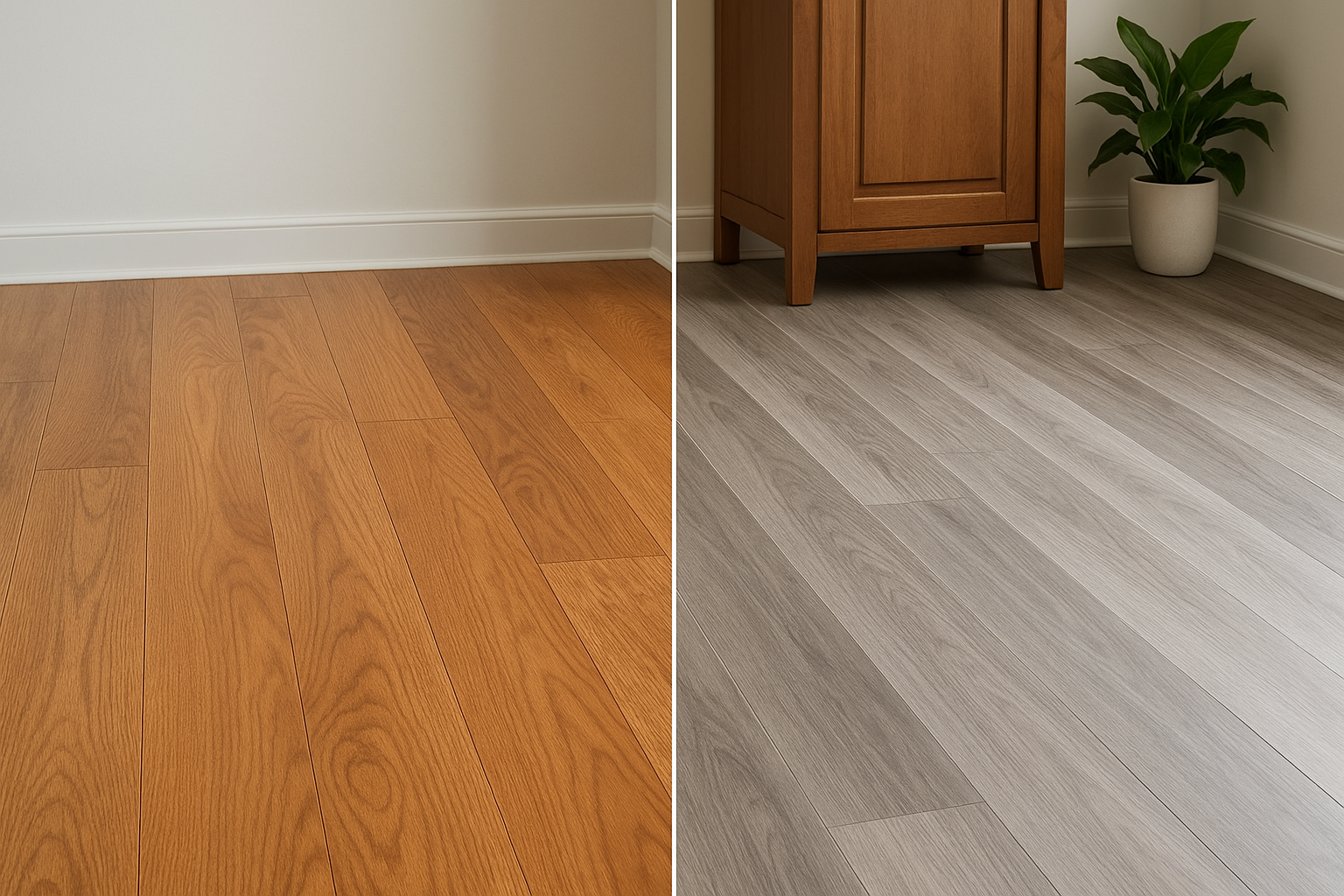
Choosing the right flooring for your Oakland home is a significant decision that affects both your daily life and long-term investment. Two popular options stand out in today’s market: traditional hardwood and modern vinyl plank flooring. Each has its unique advantages, and understanding these differences will help you make the best choice for your specific needs.
Understanding Your Flooring Options
Before diving into the specifics, it’s important to recognize that both hardwood and vinyl plank flooring have evolved significantly over the years. Hardwood remains a timeless classic that many Oakland homeowners cherish, while vinyl plank has emerged as a technological marvel that closely mimics the appearance of real wood at a fraction of the cost.
The Beauty and Value of Hardwood Flooring
There’s something undeniably special about walking on real hardwood floors. The warmth under your feet, the unique grain patterns, and the way natural light plays across the surface create an ambiance that’s difficult to replicate. In Oakland’s diverse housing market, from Victorian homes in Rockridge to modern builds in Temescal, hardwood flooring adds authentic character and substantial resale value.
Hardwood floors can last for generations when properly maintained. They can be refinished multiple times, essentially giving you a brand-new floor without replacement. This longevity makes hardwood an excellent long-term investment, despite the higher upfront cost. Oak, maple, and hickory are particularly popular choices among Oakland homeowners due to their durability and timeless appeal.
However, hardwood isn’t without its challenges. It’s susceptible to moisture damage, which can be a concern in Oakland’s climate, particularly during our rainy season. Scratches from pets, dents from dropped items, and wear patterns in high-traffic areas are realities you’ll need to accept. Regular maintenance, including periodic refinishing, is essential to keep hardwood looking its best.
The Practical Appeal of Vinyl Plank Flooring
Modern vinyl plank flooring has come a long way from the vinyl floors of decades past. Today’s luxury vinyl plank (LVP) options feature realistic wood textures, varied plank widths, and advanced wear layers that make them incredibly durable. Many Oakland residents are discovering that vinyl plank offers the look they want with practical benefits that fit their lifestyle.
One of vinyl plank’s greatest strengths is its water resistance. This makes it ideal for Oakland homes, especially in kitchens, bathrooms, basements, and areas where moisture might be a concern. If you have an active family, pets, or simply want flooring that can handle whatever life throws at it, vinyl plank deserves serious consideration.
Installation is often simpler and faster with vinyl plank, and many products feature click-lock systems that can even work as DIY projects for handy homeowners. The cost savings compared to hardwood are substantial, typically running 50-70% less for materials and installation combined. Plus, vinyl plank is softer underfoot and provides better sound absorption, which can be valuable in multi-story homes or apartments.
Climate Considerations for Oakland Homes
Oakland’s Mediterranean climate brings wet winters and dry summers, creating unique challenges for flooring. The seasonal humidity fluctuations can cause hardwood to expand and contract, potentially leading to gaps or cupping over time. Proper acclimation and installation with appropriate expansion gaps are crucial for hardwood success in our area.
Vinyl plank, being a synthetic product, remains dimensionally stable regardless of humidity changes. This stability makes it particularly attractive for homes without climate control or areas where temperature and moisture levels vary significantly.
Cost Comparison: Initial Investment vs. Long-Term Value
The financial aspect of flooring is always important. Hardwood flooring in Oakland typically costs between $8-15 per square foot for materials alone, with installation adding another $4-8 per square foot. High-end exotic hardwoods can push costs even higher. However, this investment often pays dividends in increased home value and longevity.
Quality vinyl plank flooring ranges from $2-7 per square foot for materials, with installation costs of $1-5 per square foot. Even premium luxury vinyl options rarely exceed the cost of mid-grade hardwood. For budget-conscious homeowners or those planning to update their flooring more frequently, vinyl plank makes excellent financial sense.
Maintenance and Lifestyle Fit
Your daily life should heavily influence your flooring choice. Hardwood requires regular sweeping, occasional damp mopping with wood-specific cleaners, and protective measures like furniture pads and area rugs in high-traffic zones. Refinishing every 10-15 years keeps hardwood looking fresh but requires time, money, and temporary displacement.
Vinyl plank is wonderfully low-maintenance. Regular sweeping and mopping with standard cleaners is usually sufficient. Spills won’t cause panic, and you don’t need to worry about water damage from wet shoes or pet accidents. For busy Oakland families juggling work, kids, and the Bay Area lifestyle, this ease of maintenance can be truly liberating.
Environmental Considerations
If sustainability matters to you, hardwood from responsibly managed forests (look for FSC certification) is a renewable resource that’s biodegradable at end of life. It also helps sequester carbon and can be salvaged or recycled. However, some hardwood species are endangered, and not all sources practice sustainable harvesting.
Vinyl plank is a petroleum-based product that’s not biodegradable, though some manufacturers now use recycled content and have take-back programs. The environmental footprint of vinyl remains a consideration for eco-conscious Oakland residents, though its durability means less frequent replacement compared to some other flooring options.
Resale Value and Market Expectations
In Oakland’s competitive real estate market, flooring choices can impact your home’s appeal to potential buyers. Hardwood flooring is often listed as a premium feature and can increase home value by 2-5%. Many buyers specifically search for homes with hardwood floors, seeing them as a mark of quality.
While vinyl plank doesn’t command the same premium, high-quality luxury vinyl is increasingly accepted and appreciated by buyers, especially when installed in appropriate spaces. It’s viewed as a smart, practical choice rather than a cheap alternative, particularly among younger buyers prioritizing low maintenance and durability.
Making the Right Choice for Your Oakland Home
There’s no universally “correct” answer to the hardwood versus vinyl plank question. The right choice depends on your specific situation, priorities, and home characteristics. Consider hardwood if you’re in your forever home, value authentic materials, have the budget for both installation and maintenance, and want maximum resale value.
Choose vinyl plank if you’re working with a tighter budget, have concerns about moisture or pet damage, prefer low-maintenance solutions, or plan to update your flooring style more frequently. Many Oakland homeowners find a hybrid approach works best—hardwood in main living areas and bedrooms, vinyl plank in kitchens, bathrooms, and basements.
Comparison Chart: Hardwood vs. Vinyl Plank
| Feature | Hardwood Flooring | Vinyl Plank Flooring |
|---|---|---|
| Cost (per sq ft installed) | $12-23 | $3-12 |
| Lifespan | 50-100+ years (with refinishing) | 10-25 years |
| Water Resistance | Poor to Moderate | Excellent |
| Maintenance | Moderate to High | Low |
| Refinishing Options | Yes (multiple times) | No |
| Resale Value Impact | High | Moderate |
| Pet-Friendly | Moderate (scratches easily) | Excellent |
| Installation Difficulty | Professional recommended | DIY-friendly |
| Authenticity | 100% natural wood | Synthetic (realistic appearance) |
| Environmental Impact | Renewable (if sustainably sourced) | Petroleum-based, not biodegradable |
Frequently Asked Questions
Q: Can I install vinyl plank over existing hardwood floors?
A: Yes, in most cases you can install vinyl plank over existing hardwood, provided the surface is level, clean, and in good structural condition. However, this covers up the hardwood, which might be undesirable from a value standpoint. If your hardwood is damaged but structurally sound, refinishing might be a better option.
Q: How do hardwood and vinyl plank handle Oakland’s earthquake risk?
A: Both flooring types are relatively earthquake-safe. Vinyl plank’s flexible nature actually makes it quite resilient during seismic activity. Properly installed hardwood with appropriate expansion gaps typically handles movement well, though individual planks might shift slightly.
Q: Which flooring is better for homes with radiant heating?
A: Vinyl plank is generally better suited for radiant heating systems as it conducts heat well and won’t be damaged by the warmth. Hardwood can be used with radiant heating but requires careful selection of wood species and close attention to moisture content to prevent warping or cracking.
Q: Will my pets damage hardwood floors?
A: Pet claws can certainly scratch hardwood floors, especially softer species like pine. Harder woods like oak or hickory are more resistant but not immune. Regular nail trimming helps, as do area rugs in high-traffic pet areas. Vinyl plank is significantly more scratch-resistant and better handles pet accidents.
Q: How long does installation typically take?
A: For a typical Oakland home (1,500-2,000 sq ft), professional hardwood installation usually takes 3-5 days, plus drying time for finish. Vinyl plank installation is faster, often completed in 1-3 days, with immediate usability in many cases.
Q: Can I install either flooring type in my basement?
A: Vinyl plank is ideal for basements due to its water resistance. Hardwood is generally not recommended for below-grade installations due to moisture concerns, though engineered hardwood can sometimes work with proper moisture barriers and climate control.
Q: Which flooring is quieter?
A: Vinyl plank tends to be quieter underfoot and provides better sound absorption, especially with proper underlayment. Hardwood creates more resonance and can be noisy in multi-story homes, though this can be mitigated with area rugs and quality subfloor installation.
Q: How do I know if my existing hardwood can be refinished?
A: Solid hardwood can typically be refinished 4-7 times, depending on the thickness of the wear layer. Engineered hardwood has a thinner veneer and might only be refinished 1-3 times, if at all. A flooring professional can measure the remaining wood thickness to determine refinishing potential.
Ultimately, both hardwood and vinyl plank flooring can be excellent choices for Oakland homes. Take time to evaluate your budget, lifestyle, aesthetic preferences, and long-term plans. Visit local showrooms, touch and feel the products, and don’t hesitate to consult with Oakland-area flooring professionals who understand our local climate and housing stock. The right flooring will serve you well for years to come, making your house feel even more like home.