
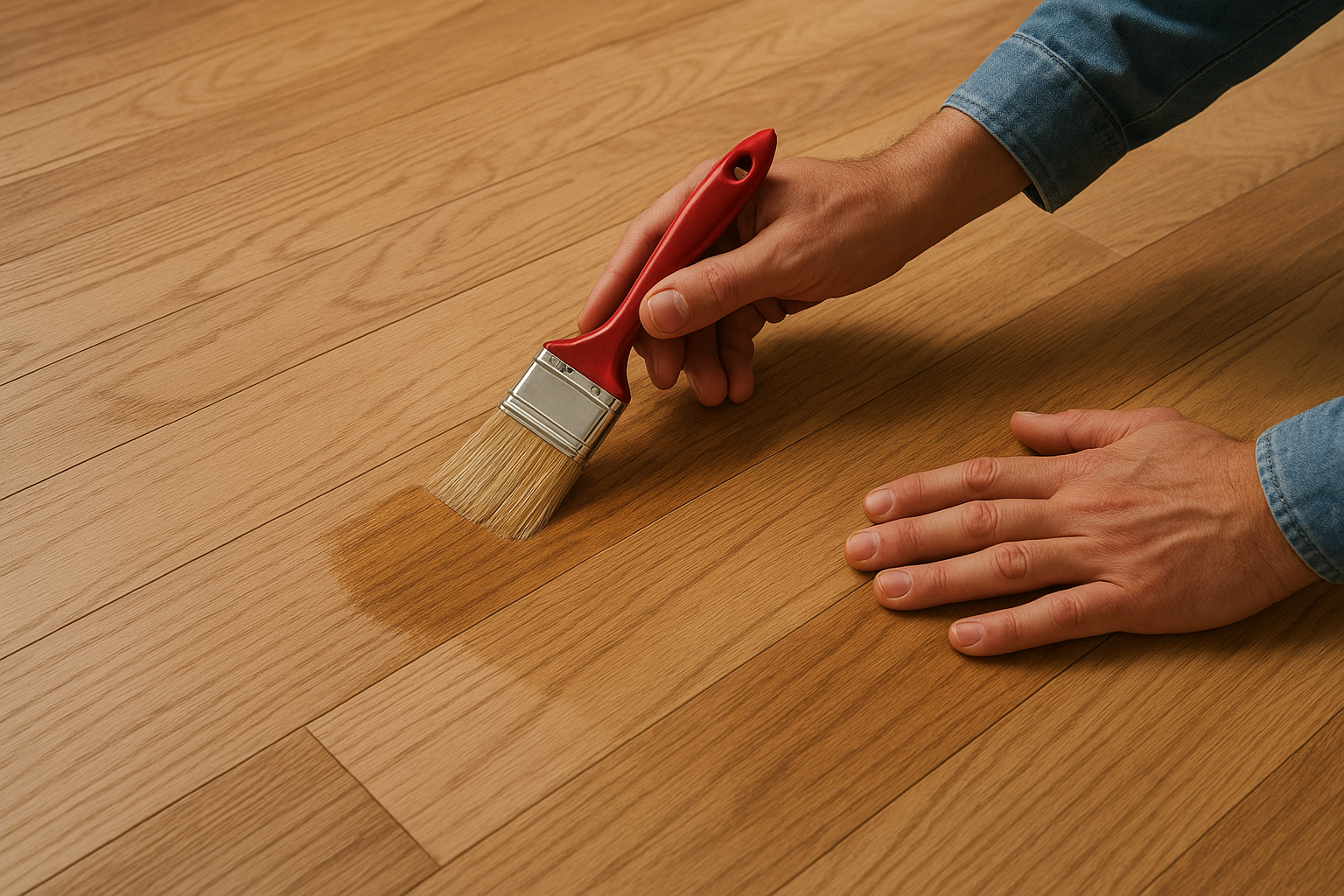
When it comes to flooring options, engineered hardwood has become increasingly popular among homeowners. One of the most common questions people ask is whether these floors can be refinished like traditional solid hardwood. The answer isn’t a simple yes or no, and understanding the nuances can help you make informed decisions about your flooring investment.
What Makes Engineered Hardwood Different?
Before diving into refinishing possibilities, it’s important to understand what engineered hardwood actually is. Unlike solid hardwood that’s milled from a single piece of wood, engineered hardwood consists of multiple layers. The top layer, called the wear layer or veneer, is real hardwood, while the layers beneath are typically made of plywood or high-density fiberboard.
This construction makes engineered hardwood more stable and resistant to moisture and temperature changes than solid hardwood. However, it also affects whether and how many times the floor can be refinished.
The Critical Factor: Wear Layer Thickness
The ability to refinish engineered hardwood floors depends almost entirely on the thickness of the top wear layer. When you refinish a floor, you’re essentially sanding down the surface to remove scratches, stains, and old finish before applying a new protective coating.
Here’s what you need to know about wear layer thickness:
- Less than 2mm: Generally cannot be refinished. Sanding would quickly penetrate through to the plywood base.
- 2-4mm: Can typically be refinished once, maybe twice if done carefully with a light sanding.
- 4-6mm or more: Can be refinished multiple times, similar to solid hardwood, though still not as many times.
Comparison: Engineered vs. Solid Hardwood Refinishing
| Feature | Engineered Hardwood | Solid Hardwood |
|---|---|---|
| Number of Refinishes | 0-3 times (depending on wear layer) | 5-10 times over lifetime |
| Wear Layer Thickness | 1-6mm typically | 18-20mm (entire board) |
| Refinishing Cost | $3-$5 per square foot | $3-$5 per square foot |
| Time Between Refinishes | 10-20 years | 7-10 years |
| Sanding Caution Level | High (risk of sanding through) | Low (more material available) |
How to Determine If Your Floor Can Be Refinished
If you’re unsure about your engineered hardwood’s specifications, here are some ways to find out:
Check your documentation: The manufacturer’s specifications should list the wear layer thickness. Look for product information from when the floors were installed.
Contact the manufacturer: If you know the brand and product line, the manufacturer can provide exact specifications.
Consult a professional: A flooring expert can measure the wear layer thickness at vent covers, thresholds, or other areas where the flooring profile is visible.
Visual inspection: Look at doorways or under floor registers where you might see the floor’s cross-section to gauge the wear layer thickness.
The Refinishing Process for Engineered Hardwood
If your engineered hardwood has a sufficiently thick wear layer, the refinishing process is similar to solid hardwood, but with extra caution:
Step 1: Thorough Cleaning – Remove all furniture and clean the floor completely to prepare for sanding.
Step 2: Careful Sanding – This is where the difference matters most. Professionals will use lighter-grit sandpaper and sand more conservatively to avoid penetrating the wear layer. Screen and recoat methods, which involve minimal sanding, are often preferred for engineered floors.
Step 3: Staining (Optional) – If desired, stain can be applied to change the floor’s color.
Step 4: Finishing – Apply several coats of polyurethane or another protective finish.
Alternatives to Full Refinishing
For engineered hardwood with thinner wear layers, or to extend the time between full refinishes, consider these alternatives:
Screen and recoat: This process involves lightly abrading the existing finish without sanding into the wood itself, then applying a new topcoat. This can be done multiple times and significantly extends your floor’s life.
Spot repairs: Address localized damage with wood filler, touch-up markers, or targeted repairs rather than refinishing the entire floor.
Deep cleaning: Sometimes what looks like wear is actually built-up dirt and grime. Professional deep cleaning can restore your floor’s appearance without any sanding.
Cost Considerations
Refinishing engineered hardwood typically costs between $3 to $5 per square foot for professional work. While this is comparable to solid hardwood refinishing, keep in mind that you have fewer opportunities to refinish engineered floors over their lifetime.
A screen and recoat procedure is usually less expensive, ranging from $1 to $2.50 per square foot, making it an attractive option for maintaining engineered hardwood floors.
Frequently Asked Questions
Can all engineered hardwood floors be refinished?
No, not all engineered hardwood can be refinished. Only floors with a wear layer of at least 2mm thick can typically be refinished. Thinner wear layers will be damaged if you attempt to sand them down.
How many times can I refinish my engineered hardwood floors?
This depends entirely on the thickness of your wear layer. Floors with a 2-3mm wear layer can usually be refinished once. Those with 4-6mm wear layers may be refinished 2-3 times. Always consult with a professional before attempting refinishing.
Is it cheaper to refinish or replace engineered hardwood?
Refinishing is almost always cheaper than replacement. Refinishing costs $3-$5 per square foot, while replacing engineered hardwood costs $8-$15 per square foot including materials and labor. However, if your wear layer is too thin, replacement may be your only option.
How long does refinished engineered hardwood last?
A properly refinished engineered hardwood floor can last 10-20 years before needing attention again, depending on traffic, maintenance, and the quality of the refinishing work. Regular cleaning and protective measures like rugs and furniture pads can extend this timeframe.
Can I refinish engineered hardwood myself?
While DIY refinishing is possible, it’s not recommended for engineered hardwood due to the risk of sanding through the wear layer. Professional flooring contractors have the experience and equipment to sand conservatively and safely. One mistake can ruin your floor, requiring complete replacement.
What’s the difference between refinishing and resurfacing?
Refinishing involves sanding down the wood and applying new stain and finish. Resurfacing (or screen and recoat) only scuffs up the existing finish and applies a new topcoat without sanding into the actual wood. Resurfacing is safer for thinner engineered hardwood wear layers.
How can I tell when my engineered hardwood needs refinishing?
Signs include widespread scratching, dullness that doesn’t improve with cleaning, water stains, discoloration, or worn areas where the finish has been completely abraded away. If damage is only in high-traffic areas, a screen and recoat might be sufficient instead of full refinishing.
Understanding whether your engineered hardwood floors can be refinished requires knowing your floor’s specifications, particularly the wear layer thickness. While these floors offer excellent stability and performance, they do have limitations compared to solid hardwood when it comes to refinishing. By properly maintaining your floors and choosing the right refinishing approach when the time comes, you can enjoy beautiful engineered hardwood for decades to come.