
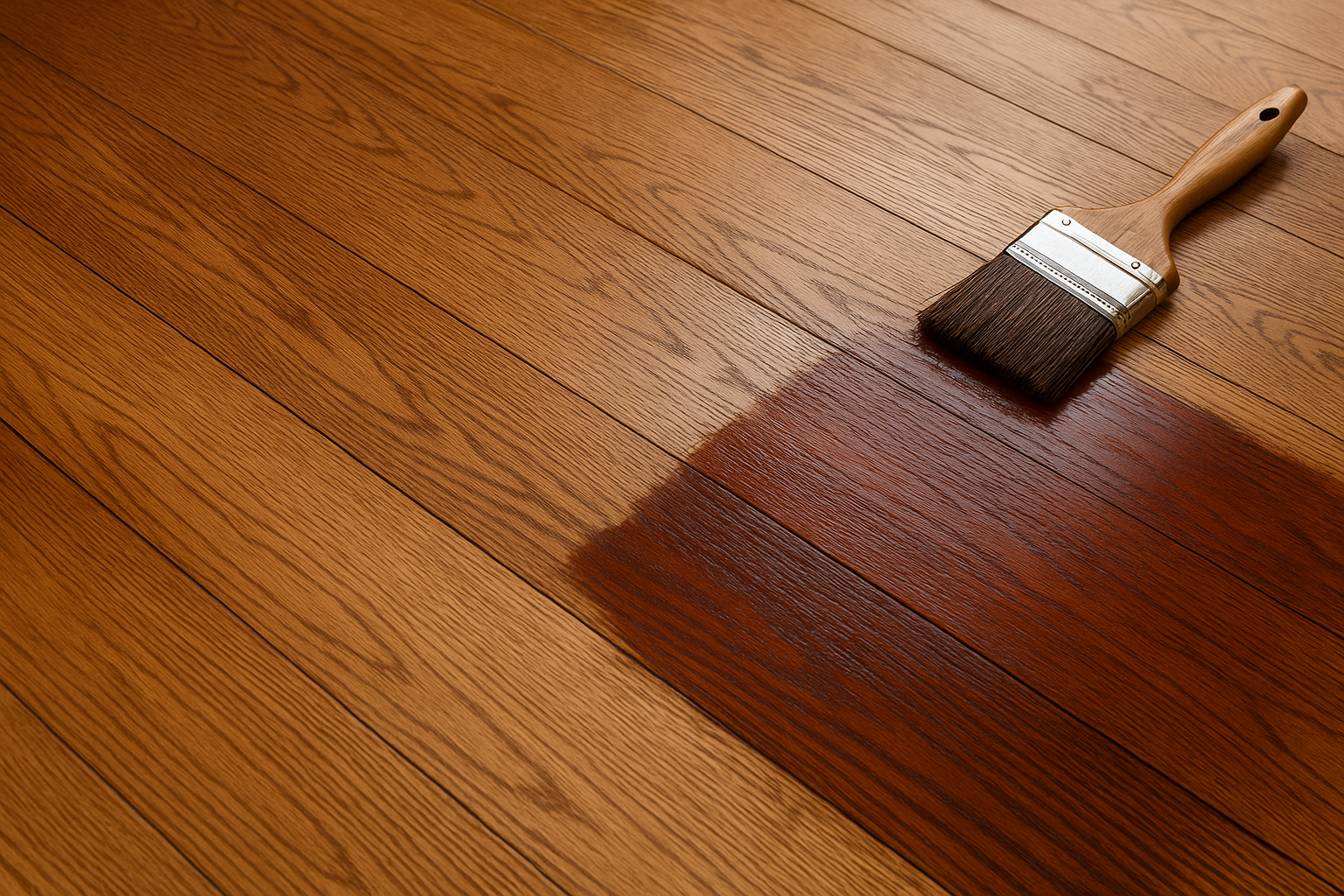
When your hardwood floors start showing signs of wear, you’re faced with an important decision: should you opt for a screen and recoat or invest in full hardwood refinishing? Understanding the differences between these two restoration methods can save you time, money, and headaches down the road.
What is Screen and Recoat?
Screen and recoat, also known as buff and coat, is a light maintenance procedure that refreshes the top layer of finish on your hardwood floors. This process involves lightly abrading the existing finish with a buffer and special screening pad, then applying a fresh coat of polyurethane or other protective finish.
Think of it as giving your floors a quick facelift rather than complete reconstructive surgery. The wood itself isn’t touched—only the protective layer gets renewed. This method works wonderfully when your floors are looking dull or have minor surface scratches, but the wood underneath remains in good condition.
Understanding Full Hardwood Refinishing
Full refinishing is a comprehensive restoration process that strips your floors down to bare wood. This involves using heavy-duty sanding equipment to remove all existing finish and a thin layer of the wood surface itself. After sanding, stain may be applied (if desired), followed by multiple coats of finish.
This is the deep-treatment option that addresses significant damage, deep scratches, stains that have penetrated the wood, or when you want to completely change the color of your floors. It’s more intensive, time-consuming, and expensive, but it essentially gives you brand new floors.
When to Choose Screen and Recoat
Screen and recoat is your best bet when:
- Your floors have only surface-level wear and minor scratches
- The existing finish is intact but looking dull or cloudy
- There are no deep scratches, gouges, or water damage
- You’re happy with the current color and want to maintain it
- It’s been 3-5 years since your last refinishing or recoating
- You need a quick turnaround time (usually 1-2 days)
- Budget is a primary concern
When Full Refinishing is Necessary
You’ll need to invest in full refinishing when:
- Deep scratches, dents, or gouges have penetrated through the finish into the wood
- Water damage or pet stains have discolored the wood itself
- The finish is completely worn away in high-traffic areas
- You want to change the color or type of stain
- The floors are uneven or have cupping or warping issues
- It’s been 10+ years since the last full refinishing
- Previous refinishing attempts have left the floors looking poor
Comparison Chart
| Factor | Screen and Recoat | Full Refinishing |
|---|---|---|
| Cost | $1-$2 per square foot | $3-$8 per square foot |
| Time Required | 1-2 days | 3-5 days |
| Dust Production | Minimal | Significant (even with dustless systems) |
| Odor/Fumes | Moderate | Strong |
| Damage Addressed | Surface scratches only | Deep scratches, stains, gouges |
| Color Change | Not possible | Yes, can restain any color |
| Frequency | Every 3-5 years | Every 10-15 years |
| Floor Thickness Removed | None | 1/32 to 1/16 inch |
The Cost-Benefit Analysis
While screen and recoat is significantly less expensive upfront, it’s important to think long-term. If your floors actually need full refinishing, a screen and recoat will only provide temporary improvement and you’ll be spending money again soon.
Conversely, choosing full refinishing when a simple recoat would suffice means you’re unnecessarily spending extra money and removing wood from your floors. Each full refinishing takes away a layer of wood, and floors can only be refinished a limited number of times before the wood becomes too thin.
Making the Right Choice for Your Home
The best way to determine which option is right for you is to assess your floors honestly—or better yet, have a professional evaluate them. Run your hand across the floor. If you feel the texture of the wood grain or deep scratches, you likely need full refinishing. If the surface feels smooth but just looks worn, screen and recoat should do the trick.
Consider your timeline as well. If you need the floors ready for an event or have a tight moving schedule, screen and recoat offers a much faster turnaround. However, if you’re planning to stay in your home long-term and the floors need serious attention, investing in full refinishing will provide better value over time.
Frequently Asked Questions
How often should I screen and recoat my hardwood floors?
Most hardwood flooring professionals recommend screening and recoating every 3-5 years for high-traffic areas and every 5-7 years for lower-traffic spaces. This preventative maintenance can extend the time between full refinishing jobs.
Can I do screen and recoat myself?
While it’s possible for experienced DIYers, it requires renting special equipment and having knowledge about proper techniques and finish compatibility. Many homeowners find that hiring a professional ensures better results and isn’t significantly more expensive when you factor in equipment rental costs.
Will screen and recoat fix scratches?
Screen and recoat can improve the appearance of light surface scratches that haven’t penetrated through the finish to the wood. However, deep scratches that you can feel with your fingernail will still be visible and require full refinishing to repair.
How long do I need to stay off the floors after each process?
For screen and recoat, you can typically walk on the floors in socks after 24 hours and replace furniture after 48-72 hours. Full refinishing requires longer—usually 24-48 hours before walking and 4-7 days before replacing furniture, depending on the finish used.
Can all types of hardwood floor finishes be recoated?
Most polyurethane and water-based finishes can be successfully recoated. However, wax finishes, some oil-based finishes, and certain older finishes may not bond well with new coats. A professional can perform an adhesion test to determine compatibility.
How many times can hardwood floors be fully refinished?
This depends on the thickness of your hardwood. Most solid hardwood floors can be fully refinished 4-7 times over their lifetime. Engineered hardwood has a thinner wear layer and may only be refinished 1-3 times, or sometimes not at all, depending on the thickness of the top layer.
What’s the environmental impact of each option?
Screen and recoat is generally more environmentally friendly because it produces less waste, uses fewer materials, and requires less energy. Full refinishing generates more dust and uses more finish products, though modern water-based finishes have reduced VOC emissions compared to older oil-based options.