
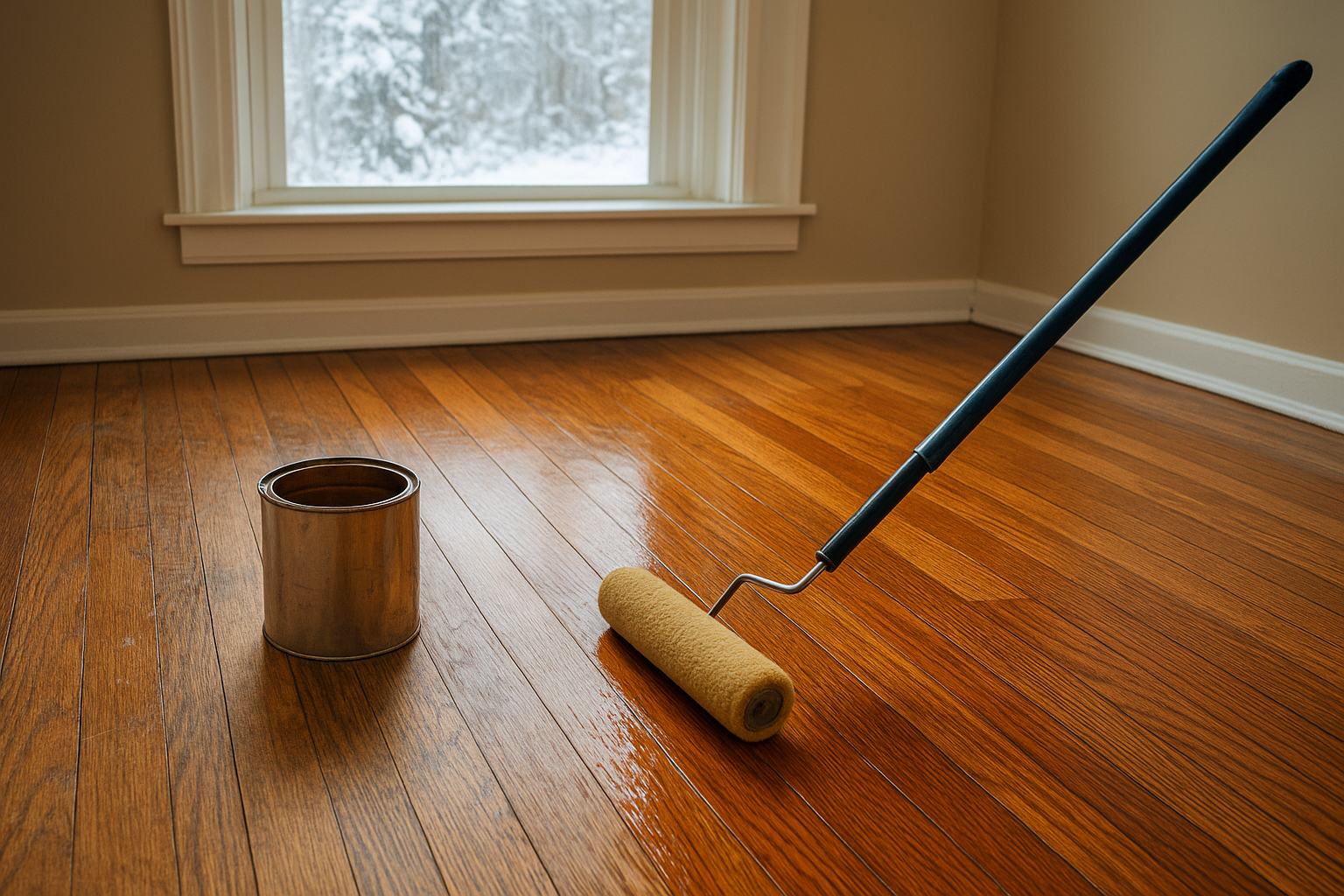
When most homeowners think about refinishing their hardwood floors, they typically plan for spring or summer. However, winter is actually one of the best—and most underrated—times to tackle this home improvement project. While it might seem counterintuitive, the colder months offer unique advantages that can result in a superior finish and a more convenient experience overall.
The Science Behind Winter Floor Refinishing
Understanding why winter works so well for hardwood floor refinishing starts with the science of wood behavior. During winter months, indoor heating systems reduce humidity levels significantly. This creates an environment where wood naturally contracts and becomes more stable. Lower humidity means faster drying times for stains and polyurethane, which translates to a quicker project completion and less disruption to your daily life.
Professional floor refinishers know that consistent temperature and humidity control are crucial for achieving that perfect, glass-like finish. Winter’s stable indoor climate—maintained by your heating system—provides exactly these conditions. You won’t have to worry about unexpected rain showers increasing humidity or fluctuating temperatures affecting the curing process.
Practical Benefits That Make Winter Ideal
Contractor availability is one of the most compelling reasons to refinish floors in winter. While spring and summer are peak seasons for home renovations, winter is traditionally slower for flooring professionals. This means you’ll have an easier time booking your preferred contractor, often with more flexible scheduling options and potentially better rates.
Ventilation is another unexpected advantage. Yes, it’s cold outside, but you can still open windows periodically to air out fumes from stains and finishes without dealing with humidity, pollen, or insects flying into your freshly finished floors. The dry winter air actually helps carry away odors more efficiently than humid summer air.
Many families also find that winter scheduling works better with their lifestyle. Holiday breaks, winter vacations, or simply spending more time indoors anyway makes it easier to plan around the 3-5 days typically needed for refinishing. You’re not sacrificing beautiful weather or outdoor activities—you’re making the most of the season when you’re home-bound regardless.
Addressing Common Winter Refinishing Concerns
Some homeowners worry that cold temperatures will negatively impact the refinishing process. However, this concern is largely misplaced. The work is done entirely indoors, where your heating system maintains ideal working temperatures (typically between 65-75°F). Professional refinishers are well-equipped to monitor and maintain proper conditions regardless of what’s happening outside.
Another concern involves dust management during a season when windows might be closed more often. Modern dustless sanding systems capture up to 99% of dust particles, making this much less of an issue than it was in the past. Professional crews also use plastic barriers and air scrubbers to contain any remaining dust to the work area.
Cost and Value Considerations
From a financial perspective, winter refinishing can be gentler on your wallet. Some contractors offer off-season discounts during their slower winter months, and you’ll have more negotiating power when demand is lower. Additionally, the faster drying times mean less labor time, which can sometimes translate to cost savings.
The superior results achieved during winter conditions also add long-term value. A flawlessly finished floor that cured under ideal conditions will typically last longer and maintain its appearance better than one completed during less optimal seasons.
Preparing Your Home for Winter Refinishing
Success with winter floor refinishing requires some preparation. Ensure your heating system is working efficiently and can maintain consistent temperatures throughout the project. Clear the rooms completely—furniture, rugs, wall decorations, and window treatments should all be removed or protected.
Communicate with your contractor about your home’s specific heating setup. Some systems work better than others for maintaining the stable environment needed during the curing process. Your contractor may recommend temporarily adjusting your thermostat settings or using supplemental heating in certain areas.
Plan for temporary living arrangements if you’re refinishing high-traffic areas. While you can often stay in your home during refinishing, you’ll need to keep off the floors for several days. Winter’s cozy indoor season makes this the perfect time to catch up on reading, binge-watch shows, or work on other sedentary projects.
Seasonal Comparison Chart
| Factor | Winter | Spring/Summer | Fall |
|---|---|---|---|
| Humidity Levels | Low (ideal for drying) | Variable to High | Moderate |
| Contractor Availability | High | Low (peak season) | Moderate |
| Drying Time | Faster | Slower | Moderate |
| Pricing | Potentially lower | Premium rates | Standard |
| Ventilation Options | Good (dry air) | Complicated (humidity/insects) | Good |
| Lifestyle Disruption | Minimal (already indoors) | Higher (missing outdoor time) | Moderate |
Frequently Asked Questions
Q: Won’t the cold temperatures damage the finish?
A: No. The refinishing work happens entirely indoors where your heating system maintains ideal temperatures. As long as your home stays between 65-75°F, the finish will cure perfectly.
Q: How long does winter floor refinishing take?
A: Typically 3-5 days from start to finish, but winter’s low humidity often allows for faster drying times, potentially shortening the project by a day compared to summer months.
Q: Can I really open windows in winter for ventilation?
A: Yes, briefly opening windows—even in cold weather—helps disperse fumes effectively. The dry winter air doesn’t introduce moisture problems like humid summer air would. Your contractor will advise on proper ventilation timing.
Q: What if my heating system breaks down during the project?
A: This is extremely rare, but professional contractors always check your heating system’s reliability before starting. They may also bring supplemental heaters as backup. It’s wise to have your HVAC serviced before scheduling refinishing work.
Q: Will the smell be worse because windows are closed more often?
A: Modern water-based finishes have much less odor than traditional oil-based products. Combined with strategic ventilation and air purifiers, odor management in winter is actually easier than dealing with trapped humidity in summer.
Q: Are there any types of hardwood that shouldn’t be refinished in winter?
A: All common hardwood species can be safely refinished in winter. In fact, exotic hardwoods that are particularly sensitive to humidity changes often perform better when refinished during winter’s stable, dry conditions.
Q: Can I get winter refinishing done during the holidays?
A: Many contractors have availability during holiday weeks when other construction slows down. This can be ideal if you’re traveling for the holidays—you’ll return to beautiful new floors without being home during the process.
Making the Winter Refinishing Decision
The combination of optimal environmental conditions, contractor availability, cost savings, and lifestyle convenience makes winter an exceptionally smart time to refinish hardwood floors. Rather than waiting for the traditional spring renovation season, savvy homeowners are discovering that embracing winter refinishing leads to superior results with less hassle.
If you’ve been putting off this important home improvement project, consider breaking from convention and scheduling it for the winter months. Your floors—and your schedule—will thank you. The next time someone suggests waiting until warmer weather, you’ll know better: winter isn’t just acceptable for floor refinishing; it’s actually optimal.