
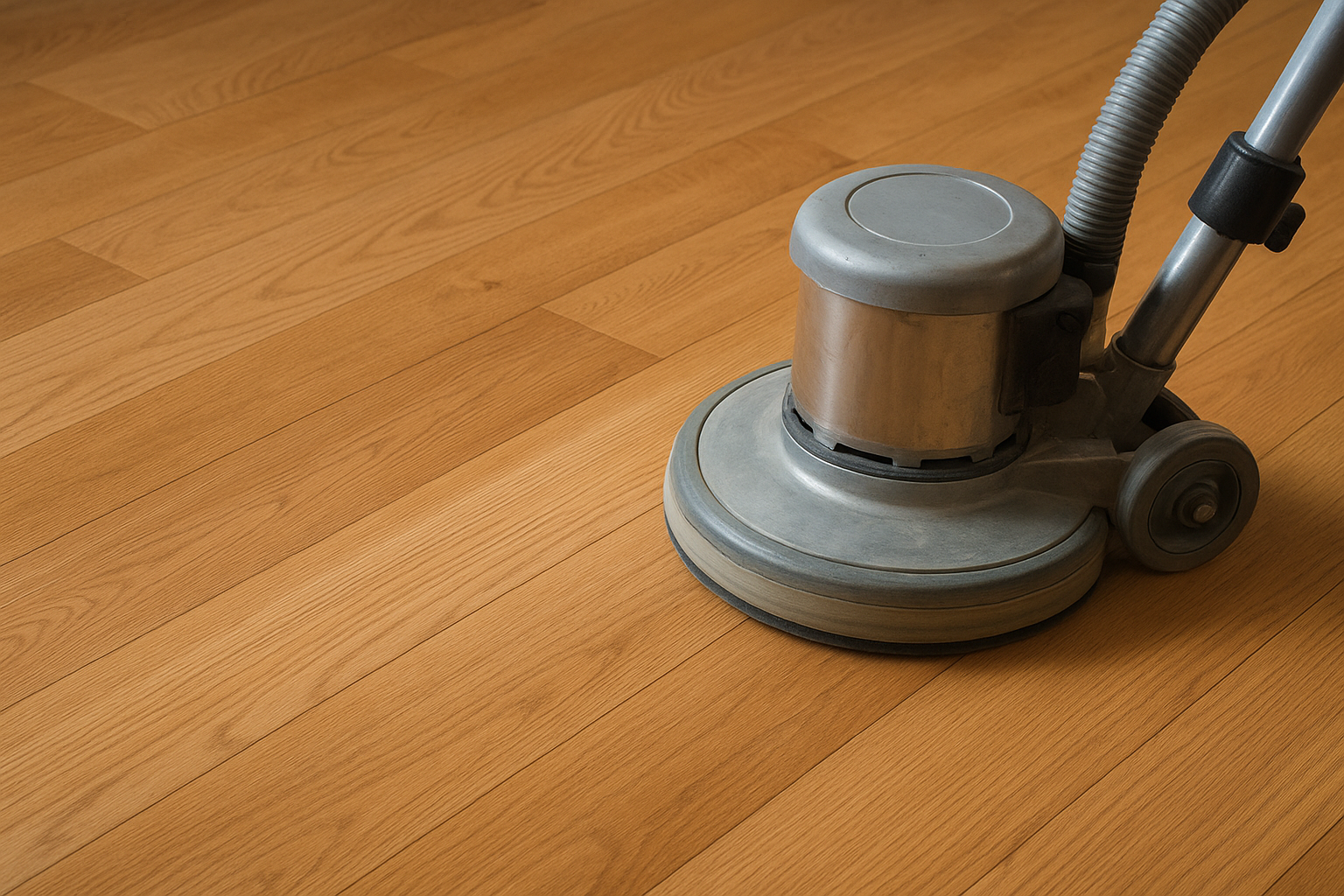
If you’re considering refinishing your hardwood floors, you’ve probably come across the term “dustless floor refinishing.” This modern approach to floor restoration has revolutionized the industry, making what was once a messy, disruptive process into something far more manageable. Let’s explore what dustless floor refinishing really means and why it might be worth the investment for your home.
What Is Dustless Floor Refinishing?
Dustless floor refinishing, despite its name, doesn’t mean there’s absolutely zero dust involved. Rather, it refers to a specialized refinishing process that captures approximately 95-99% of the dust generated during sanding. Traditional floor sanding creates massive amounts of fine wood dust that infiltrates every corner of your home, settling on furniture, in cabinets, and even in your HVAC system.
The dustless system works by attaching powerful vacuum equipment directly to the sanding machines. As the sander removes the old finish and smooths the wood, the dust is immediately sucked into a containment system before it can become airborne. This technology has transformed floor refinishing from a nightmare scenario into a relatively clean process.
How Does Dustless Refinishing Actually Work?
The dustless refinishing process involves several key components working together. Professional contractors use high-powered HEPA filtration systems that connect directly to specialized sanding equipment. These industrial-grade vacuums create negative pressure at the point of sanding, capturing dust particles as they’re created.
The process itself follows the same basic steps as traditional refinishing. The floors are sanded in multiple passes using progressively finer grits, then stained if desired, and finally sealed with a protective finish. The main difference is that throughout the sanding stages, the dust is being continuously captured rather than floating freely through your home.
Why Dustless Floor Refinishing Is Worth Requesting
There are several compelling reasons why homeowners should specifically ask for dustless refinishing when getting quotes for their floor restoration project.
Health and Air Quality: Traditional floor sanding creates fine particulate matter that can aggravate allergies, asthma, and other respiratory conditions. The dust can linger in your home for weeks after the project is complete. Dustless systems protect your family’s health by containing these particles at the source.
Reduced Cleanup Time: With traditional sanding, you’re looking at days or even weeks of cleanup. Dust settles on every surface, requiring thorough cleaning of your entire home. Dustless refinishing dramatically reduces this burden, allowing you to return to normal life much faster.
Protection for Your Belongings: Fine wood dust can damage electronics, infiltrate fabrics, and require professional cleaning of curtains and upholstery. By containing the dust, you protect your valuable possessions from potential harm.
HVAC System Safety: Traditional floor sanding can compromise your heating and cooling system as dust enters through vents and settles in ductwork. This not only reduces air quality but can also damage your HVAC equipment and require expensive duct cleaning.
Dustless vs. Traditional Floor Refinishing Comparison
| Feature | Dustless Refinishing | Traditional Refinishing |
|---|---|---|
| Dust Containment | 95-99% captured | Minimal to no containment |
| Cleanup Required | Minimal (few hours) | Extensive (days to weeks) |
| Cost | 10-20% higher | Lower upfront cost |
| Air Quality Impact | Minimal disruption | Significant dust for weeks |
| Project Timeline | Same as traditional | 3-5 days for refinishing |
| Protection Needed | Minimal furniture covering | Extensive plastic sheeting required |
What to Expect Cost-Wise
Dustless floor refinishing typically costs 10-20% more than traditional refinishing methods. While this might seem like a significant premium, most homeowners find it well worth the investment when they consider the reduced cleanup time, health benefits, and protection of their belongings.
The national average for dustless refinishing ranges from $3 to $8 per square foot, depending on your location, the condition of your floors, and the type of finish you select. When comparing quotes, make sure to ask specifically whether the contractor uses true dustless equipment with HEPA filtration, as some may claim “low-dust” methods that don’t offer the same level of containment.
Questions to Ask Your Contractor
Before hiring a floor refinishing professional, make sure you ask the right questions to ensure you’re getting genuine dustless service. Ask what type of vacuum system they use and whether it includes HEPA filtration. Request references from recent customers who can speak to how clean the process actually was.
You should also inquire about their experience with dustless systems specifically, as the equipment requires proper training to operate effectively. A contractor who has invested in dustless technology and knows how to use it properly will be proud to discuss their equipment and process in detail.
Frequently Asked Questions
Is dustless floor refinishing really dustless?
No refinishing process is completely dustless, but dustless systems capture 95-99% of the dust that traditional sanding creates. You may notice some fine dust near the work area, but it’s dramatically less than conventional methods.
Do I still need to leave my home during dustless refinishing?
You’ll still need to stay off the floors during sanding and while finishes dry, but you typically don’t need to vacate the entire house as you would with traditional refinishing. Many homeowners stay in upper floors or other areas of the home during the work.
How long does dustless floor refinishing take?
The timeline is the same as traditional refinishing, typically 3-5 days depending on the size of your project and the number of coats of finish applied. The difference is in cleanup time after the project, not the refinishing itself.
Will dustless refinishing damage my HVAC system?
Dustless refinishing actually protects your HVAC system by preventing dust from entering vents and ductwork. Contractors typically recommend turning off your HVAC during the work as a precaution, just as they would with any refinishing project.
Can all contractors perform dustless refinishing?
Not all flooring contractors have invested in dustless equipment, as it requires significant upfront costs for the specialized vacuums and compatible sanders. Always verify that a contractor has the proper equipment before hiring them for dustless refinishing.
Does dustless refinishing affect the quality of the finished floor?
No, the quality of the finished product is identical to traditional refinishing. The dustless system only affects how dust is managed during the sanding process, not the sanding technique or finishing application.
Making the Right Choice for Your Home
When it comes to refinishing your hardwood floors, the dustless option represents a significant advancement in both technology and homeowner convenience. While it does come with a modest price premium, the benefits of cleaner air, reduced cleanup, and protection for your home and belongings make it an investment worth considering.
As you obtain quotes for your floor refinishing project, be sure to specifically request dustless refinishing and verify that contractors have the proper equipment. The small additional cost upfront can save you countless hours of cleanup and provide peace of mind that your family’s health and your home’s air quality are being protected throughout the process.