
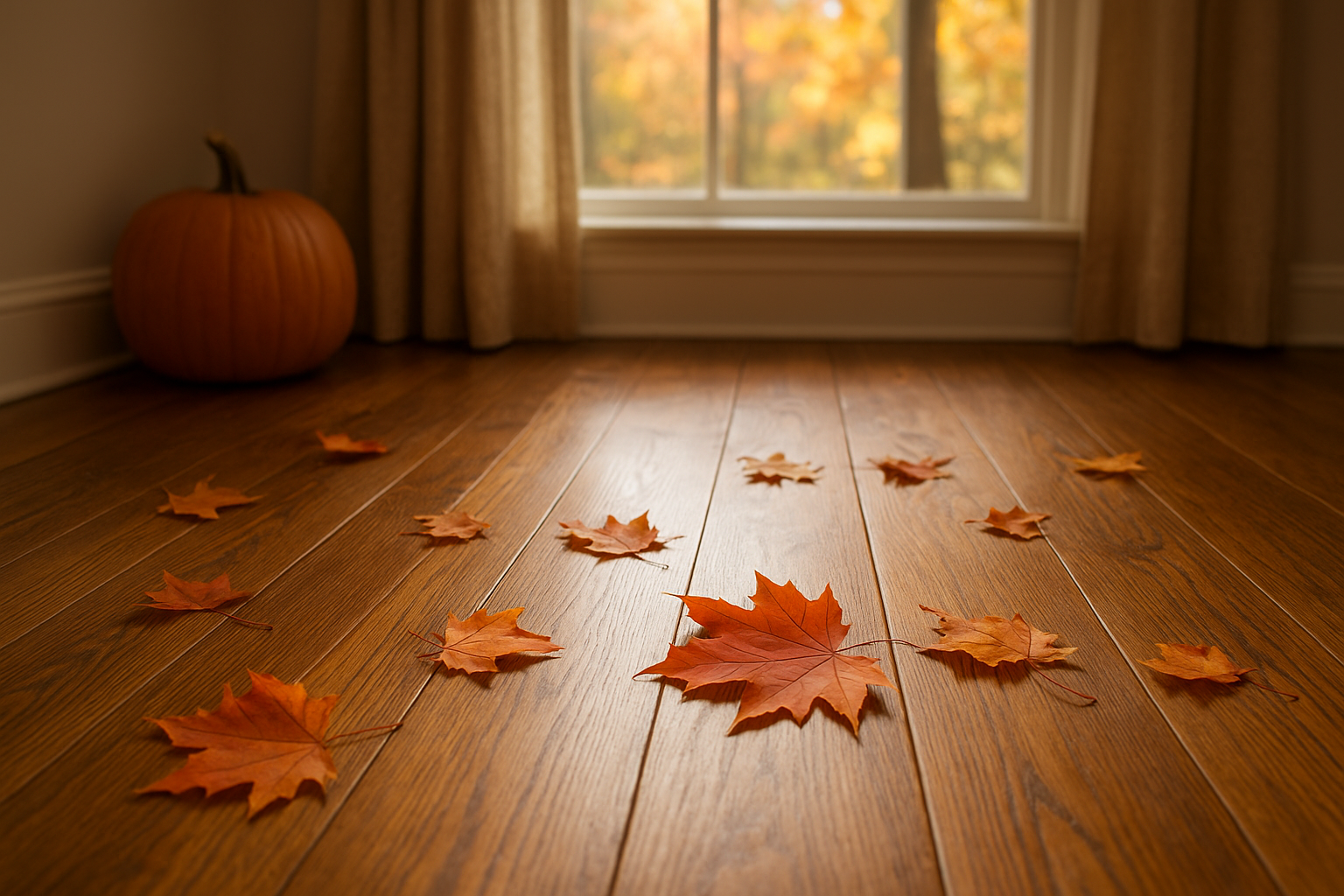
When it comes to refinishing your hardwood floors, timing can make all the difference in achieving stunning, long-lasting results. For Bay Area homeowners, fall emerges as the ideal season for this important home improvement project. The combination of favorable weather conditions, practical scheduling advantages, and optimal curing environments makes autumn the perfect time to breathe new life into your floors.
Perfect Weather Conditions for Floor Refinishing
The Bay Area’s fall season offers moderate temperatures and low humidity, creating ideal conditions for floor refinishing. Unlike the foggy summers or unpredictable winter rains, fall provides consistent weather patterns that are crucial for proper drying and curing of floor finishes. The polyurethane and stain used in refinishing require specific temperature ranges and humidity levels to cure properly, and fall’s stable climate typically delivers exactly what’s needed.
During floor refinishing, you’ll need to keep windows open for ventilation, allowing fumes to escape while fresh air circulates through your home. Fall’s comfortable temperatures make this process much more pleasant than trying to ventilate during summer’s heat or winter’s cold. You won’t have to worry about cranking up the air conditioning or heating, which can interfere with the curing process and increase your energy bills.
Optimal Drying and Curing Times
The lower humidity levels in fall significantly impact how quickly and effectively your floors dry. High humidity can extend drying times, potentially leading to a tacky finish or uneven curing. Conversely, extremely dry conditions can cause finishes to dry too quickly, resulting in cracking or poor adhesion. Fall’s balanced humidity levels in the Bay Area typically range between 40-60%, which is considered optimal for floor refinishing projects.
This ideal environment means your floors will cure properly, resulting in a harder, more durable finish that will protect your investment for years to come. The consistent temperatures also prevent the expansion and contraction of wood that can occur with dramatic temperature swings, ensuring a smooth, even finish.
Convenient Scheduling Before the Holiday Season
Completing your floor refinishing project in fall means your home will be ready for holiday gatherings. There’s no better feeling than showing off beautiful, gleaming floors when family and friends come to visit during Thanksgiving and the winter holidays. By planning ahead and scheduling your refinishing in September, October, or early November, you’ll have plenty of time for the floors to fully cure before hosting season begins.
Fall also tends to be less busy for professional flooring contractors compared to spring and early summer when many homeowners tackle renovation projects. This means you’ll likely have more flexibility in scheduling, potentially better pricing, and more attention from contractors who aren’t juggling multiple projects simultaneously.
Avoiding Summer Vacation Conflicts
Floor refinishing requires you to stay off the floors for several days and typically involves relocating furniture and dealing with dust and fumes. During fall, children are back in school, and most families have completed their summer vacations. This makes it easier to plan around your household’s schedule without disrupting vacation plans or dealing with kids at home during the messy refinishing process.
The project typically takes 3-5 days from start to finish, depending on the size of your space and the number of coats applied. With everyone back to their regular routines, it’s simpler to coordinate temporary living arrangements or plan to stay elsewhere if necessary.
Preparing Your Floors for Winter Wear
Winter in the Bay Area brings rain, mud, and increased foot traffic from holiday visitors. Refinishing your floors in fall ensures they’re properly sealed and protected before the wet season arrives. Fresh polyurethane creates a protective barrier against moisture, dirt, and scratches that winter weather and activities can bring into your home.
Well-maintained floors are also easier to clean during the muddy season, as the fresh finish prevents dirt from penetrating the wood grain. This proactive approach to floor maintenance can extend the life of your hardwood floors and maintain your home’s value.
Cost-Effective Timing
Many flooring contractors offer competitive rates during the fall season as it falls between the busy spring renovation rush and the holiday slowdown. You may find contractors more willing to negotiate on price or offer package deals when their schedules aren’t completely booked. Additionally, completing this project before winter means you won’t face potential weather-related delays that could extend project timelines and costs.
Enhanced Indoor Air Quality Management
While floor refinishing does involve strong odors from stains and sealants, fall’s weather allows for extended ventilation periods without compromising comfort. You can keep windows open throughout the day and even overnight without worrying about extreme temperatures affecting your home’s comfort or the refinishing process. This extended ventilation helps dissipate fumes more quickly, making your home safe and comfortable sooner.
Frequently Asked Questions
How long does floor refinishing take?
The complete process typically takes 3-5 days. This includes sanding (1 day), staining if desired (1 day), and applying 2-3 coats of polyurethane (2-3 days). However, floors need 24-48 hours between coats and should cure for at least 3-7 days before heavy use.
Can I stay in my home during floor refinishing?
While it’s possible to stay in your home, most homeowners choose to stay elsewhere, especially during the sanding and first coat application. The dust, noise, and fumes can be overwhelming, and you’ll need to stay off the floors during the drying process.
What temperature range is best for floor refinishing?
The ideal temperature range is between 60-80°F with humidity levels between 40-60%. Fall in the Bay Area typically provides these conditions consistently.
Will refinishing remove all scratches and damage?
Refinishing can remove surface scratches, minor dents, and discoloration. However, deep gouges may still be visible after refinishing. A professional can assess your floors and advise on what results to expect.
How often should hardwood floors be refinished?
Most hardwood floors should be refinished every 7-10 years, depending on traffic, wear, and maintenance. Some high-traffic areas may need attention more frequently.
Seasonal Comparison for Floor Refinishing
| Season | Temperature | Humidity | Advantages | Disadvantages |
|---|---|---|---|---|
| Fall | Moderate (60-75°F) | Low to Moderate | Ideal weather, good ventilation, pre-holiday timing, contractor availability | Limited – occasional early rains in late fall |
| Summer | Warm but foggy (55-75°F) | High (coastal fog) | Long days, vacation time available | High humidity from fog, vacation conflicts, higher contractor demand |
| Spring | Mild (58-70°F) | Moderate to High | Pleasant temperatures | Unpredictable rain, high contractor demand, pollen and allergens |
| Winter | Cool to Cold (48-60°F) | High (rainy season) | Lower contractor rates | Rain delays, poor ventilation conditions, cold temperatures affect curing, holiday conflicts |
When considering all factors—from weather conditions to scheduling convenience—fall stands out as the superior choice for refinishing your Bay Area floors. The season’s moderate temperatures, optimal humidity levels, and practical timing create the perfect storm of conditions for a successful refinishing project. By planning your floor refinishing for autumn, you’re setting yourself up for beautiful results that will enhance your home’s appearance and protect your investment for years to come. Don’t wait until the rainy season arrives or summer fog rolls in—fall is calling, and your floors are ready for their transformation.