
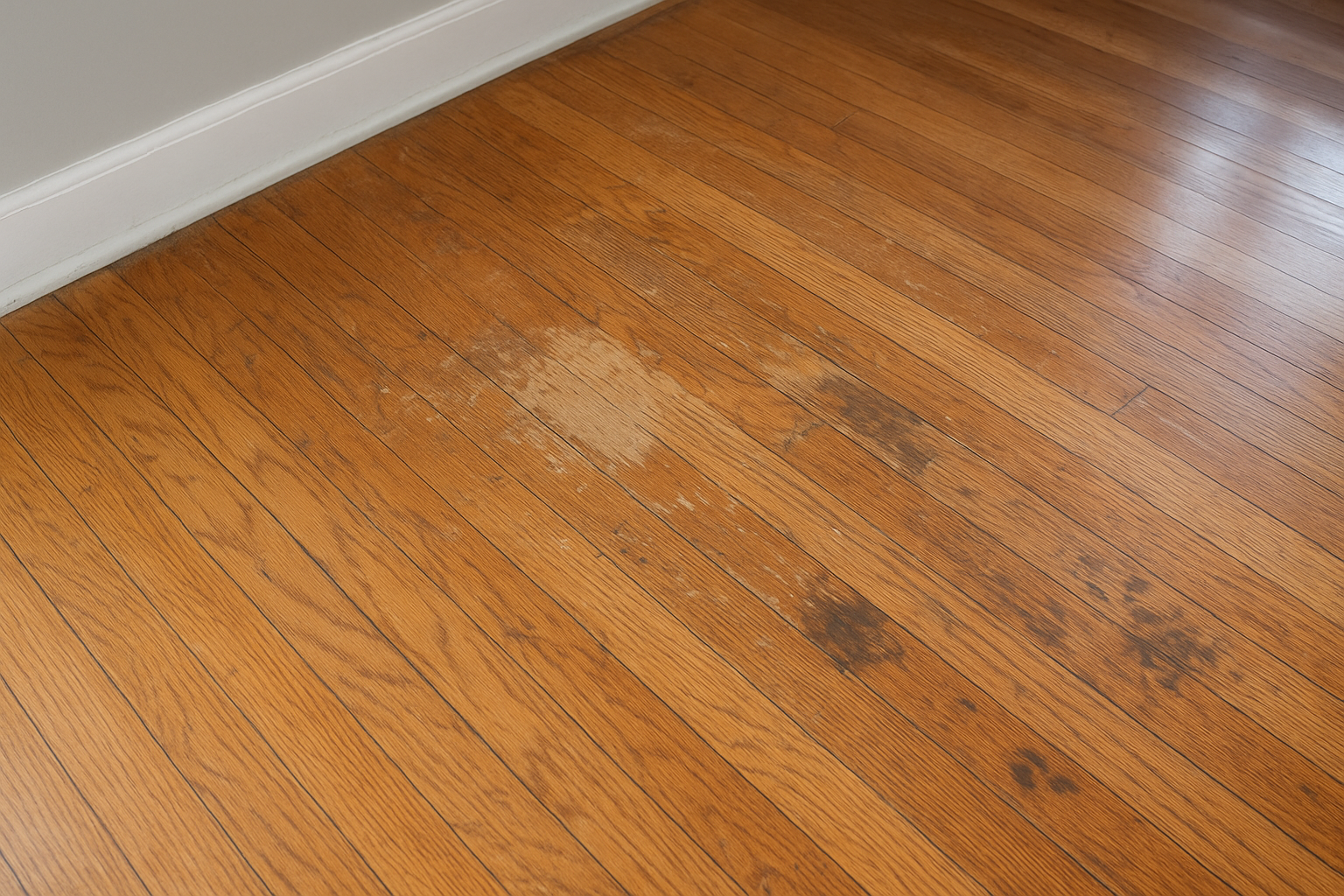
Hardwood floors are a timeless investment that can last for generations with proper care. However, over time, even the most durable floors show signs of wear. The good news? Many issues can be solved with refinishing rather than expensive replacement. Knowing the difference between floors that need refinishing and those requiring replacement can save you thousands of dollars.
Let’s explore the seven key signs that indicate your hardwood floors are perfect candidates for refinishing.
1. Surface Scratches and Minor Wear Patterns
If your floors have accumulated shallow scratches, scuff marks, or light wear patterns from everyday foot traffic, refinishing is typically the ideal solution. These surface-level imperfections only affect the finish layer, not the wood itself. You’ll notice these scratches catch the light at certain angles or appear as white marks on darker wood. A professional refinishing job involves sanding down the top layer and applying new finish, which completely eliminates these cosmetic issues.
2. Faded or Discolored Areas
Sunlight exposure, water spots, and aging can cause uneven coloration or fading across your hardwood floors. If you move a rug and notice significant color differences, or if certain areas appear lighter or darker than others, refinishing can restore uniform appearance. The sanding process removes the discolored surface layer, allowing you to restain the wood to your desired shade and achieve consistent color throughout your space.
3. Dull or Worn Finish
Does your floor look lackluster even after cleaning? A dull, matte appearance in high-traffic areas indicates that the protective finish has worn away. When the polyurethane or other sealant degrades, your floors lose their shine and become more vulnerable to moisture and damage. If water no longer beads up on the surface but instead soaks in, the finish is compromised. Refinishing restores that protective barrier and brings back the beautiful sheen.
4. Minor Water Damage or Staining
Small water stains, pet accidents, or minor spills that have created dark spots don’t necessarily spell disaster. If the water damage hasn’t penetrated deep into the wood or caused warping, refinishing can address these issues. The sanding process removes the stained wood fibers on the surface, and proper sealing prevents future moisture problems. However, if boards are cupped, buckled, or show extensive black staining, replacement may be necessary.
5. The Quarter Test Passes
Here’s a practical indicator: if your hardwood floors are at least 3/4 inch thick, they’re excellent candidates for refinishing. Most solid hardwood can be refinished 4-10 times throughout its lifespan. Place a quarter on edge against the floor—if your floorboards are thicker than the quarter’s diameter (about 3/4 inch), you have sufficient wood to sand down and refinish. Engineered hardwood with a thick veneer layer (at least 3mm) can also be refinished once or twice.
6. Squeaky but Structurally Sound Boards
Squeaky floors are annoying but don’t always indicate serious problems. If your boards squeak when walked on but show no signs of rot, extensive cracking, or structural damage, refinishing combined with minor repairs can solve the issue. Often, squeaks result from boards rubbing against each other or loose nails, which can be addressed before the refinishing process begins. The floor itself remains in good condition.
7. Original Floors with Character Worth Preserving
If you have original hardwood floors with unique grain patterns, rare wood species, or historical value, refinishing is almost always preferable to replacement. Older growth wood often possesses superior quality and character that modern materials cannot replicate. Unless severely damaged, these floors deserve restoration. Refinishing honors the craftsmanship while updating the appearance to suit contemporary aesthetics.
When Replacement Is Actually Necessary
While refinishing solves many problems, certain conditions do require replacement. If your floors show extensive water damage with warping, large gaps between boards, rotting wood, or structural instability, replacement becomes the safer and more cost-effective option. Similarly, if floors have been refinished many times and little wood thickness remains, or if termite damage has compromised the wood, new installation is necessary.
The Refinishing Process: What to Expect
Professional refinishing typically takes 3-5 days and involves sanding the floor down to bare wood, repairing minor damage, applying stain if desired, and sealing with multiple coats of protective finish. The cost ranges from $3-$8 per square foot, compared to $8-$15 per square foot for replacement. Refinishing extends your floor’s life by decades while maintaining the authentic hardwood you already own.
Comparison: Refinishing vs. Replacing
| Factor | Refinishing | Replacing |
|---|---|---|
| Cost | $3-$8 per square foot | $8-$15 per square foot |
| Timeline | 3-5 days | 1-2 weeks |
| Best For | Surface damage, scratches, fading, worn finish | Structural damage, severe water damage, rotting wood |
| Environmental Impact | Low (preserves existing materials) | Higher (requires new materials, disposal) |
| Wood Thickness Required | Minimum 3/4 inch recommended | No minimum |
| Maintains Original Character | Yes | No |
Frequently Asked Questions
How often should hardwood floors be refinished?
Most hardwood floors need refinishing every 7-10 years in residential settings, though this varies based on traffic levels and maintenance. High-traffic commercial spaces may require refinishing every 3-5 years.
Can I refinish engineered hardwood floors?
It depends on the thickness of the wear layer. Engineered hardwood with a veneer layer of at least 3mm (about 1/8 inch) can typically be refinished once. Thinner wear layers cannot withstand the sanding process.
How long do I need to stay off refinished floors?
You can typically walk on floors with socks after 24 hours, but should wait 48-72 hours before moving furniture back. The finish continues curing for up to two weeks, so avoid rugs and heavy use during this time.
Will refinishing remove deep scratches and gouges?
Refinishing eliminates surface to moderate scratches, but very deep gouges that penetrate significantly into the wood may still be visible. Your contractor can fill deep gouges with wood filler before refinishing for better results.
Is it cheaper to refinish or replace hardwood floors?
Refinishing is generally 40-60% less expensive than replacement. You’re only paying for labor and materials to restore the surface, rather than purchasing new wood, removing old flooring, and installing completely new boards.
Can I change the color when refinishing?
Absolutely! One of the benefits of refinishing is the ability to restain your floors in any color you choose. This allows you to update your home’s aesthetic without replacing the actual wood.
How can I tell if my floors are solid hardwood or engineered?
Check in a doorway or remove a floor vent. Solid hardwood shows the same wood grain throughout its thickness, while engineered wood has a thin veneer layer on top of plywood or composite material underneath.
Understanding these seven signs empowers you to make informed decisions about your hardwood floor care. In most cases, refinishing offers an economical and environmentally friendly solution that restores beauty while preserving the quality and character of your existing floors. Consult with a professional flooring contractor to assess your specific situation and determine the best course of action for your home.